
Requirements to Become a Pilot

Requirements to Become a Pilot Becoming a pilot is a dream job for many, filled with excitement, freedom, and a sense of adventure. However, this career requires specific qualifications, training, and health standards. Below, we’ll cover the essential steps to begin your journey toward becoming a pilot. Educational Requirements Health Requirements Language Proficiency Flight Hours Financial Requirements Career Development and Experience Physical and Mental Resilience Stress Management and Decision-Making: Pilots need to make quick and sound decisions under pressure. Stress management and strong focus skills are critical to a successful piloting career. Physical Endurance: Pilots must be able to handle long flights, adapt to different time zones, and manage fatigue. Maintaining a healthy lifestyle contributes to physical endurance.
Pilot Training Programs
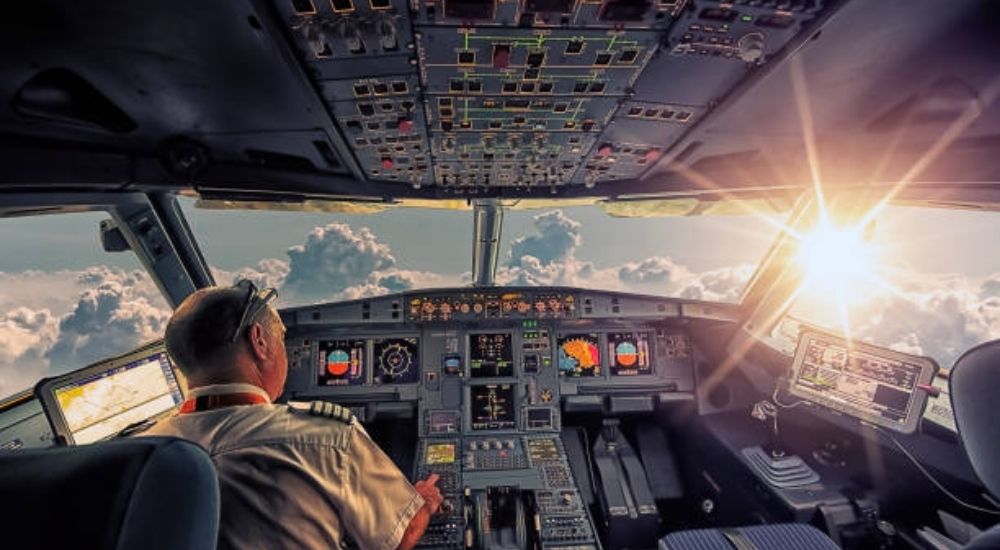
Pilot Training Programs Pilot training programs are designed to equip aspiring pilots with the skills, knowledge, and experience required to fly professionally. This article provides an overview of the essential components and stages in a pilot training program, from beginner to advanced certification. Private Pilot License (PPL) Commercial Pilot License (CPL) Instrument Rating (IR) Multi-Engine Rating (MER) Airline Transport Pilot License (ATPL) Flight Instructor Certification Simulator and Ground School Training Duration and Cost of Pilot Training Programs Choosing the Right Pilot Training Program Career Support: Schools that offer job placement services, networking opportunities, or connections with airlines can provide students with a solid start in their pilot careers. School Accreditation: When selecting a training program, ensure the school is accredited by recognized aviation authorities like the FAA (Federal Aviation Administration) or EASA (European Union Aviation Safety Agency). Program Structure: Some schools offer integrated training programs that combine CPL, IR, and ATPL training in a streamlined curriculum, which can save both time and costs.
Professional Pilot Training
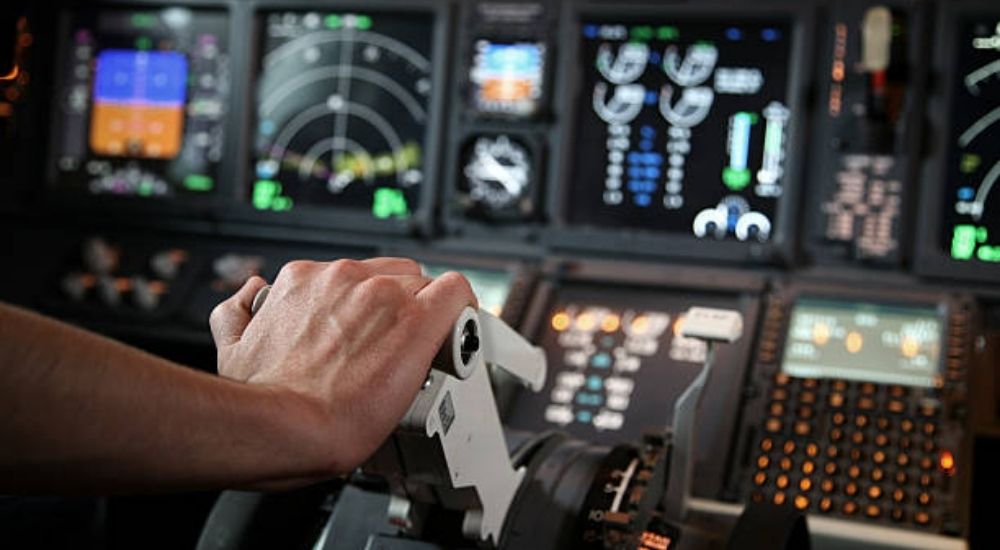
Professional Pilot Training Professional pilot training is a comprehensive and structured program designed to equip aspiring pilots with the skills, knowledge, and experience necessary for a successful career in aviation. This article outlines the key components, stages, and requirements of professional pilot training. Overview of Professional Pilot Training Professional pilot training encompasses various certifications and ratings, enabling pilots to operate commercial aircraft and pursue careers with airlines, charter companies, or cargo services. This training ensures that pilots meet the high standards required for safety, efficiency, and professionalism in the aviation industry. Initial Requirements Before embarking on professional pilot training, candidates must meet several prerequisites: Flight Training Programs Professional pilot training typically involves a series of structured programs: a. Private Pilot License (PPL) b. Commercial Pilot License (CPL) c. Instrument Rating (IR) d. Multi-Engine Rating (MER) Airline Transport Pilot License (ATPL) For those aspiring to become airline pilots, obtaining an ATPL is essential. This license requires: Training Providers Choosing the right training provider is crucial for success: Continuous Learning and Development Once pilots complete their training, ongoing education is essential:
What Training is Required to Become a Pilot?
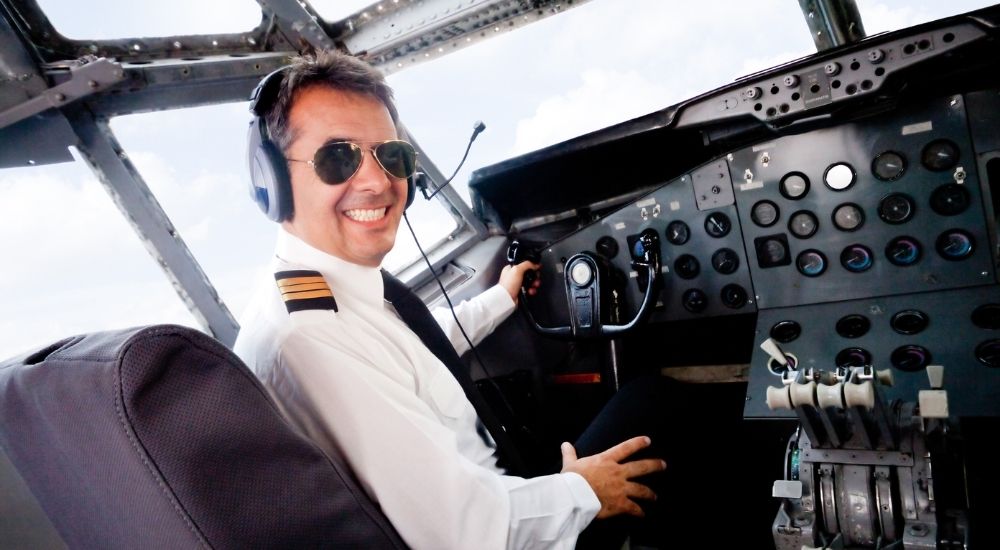
What Training is Required to Become a Pilot? Becoming a pilot involves a series of structured training programs designed to develop the necessary skills, knowledge, and experience for flying. This article outlines the essential training requirements and courses aspiring pilots must complete to earn their licenses and certifications. Initial Education Private Pilot License (PPL) Training Commercial Pilot License (CPL) Training Instrument Rating (IR) Training Multi-Engine Rating (MER) Training Airline Transport Pilot License (ATPL) Training Flight Instructor Training Continuing Education and Training Choosing the Right Training Path Financial Planning: Understanding the costs associated with training, from flight hours to ground school tuition, is vital for prospective pilots. Accredited Flight Schools: Researching and selecting an accredited flight school is crucial for quality training and obtaining recognized certifications. Integrated vs. Modular Training: Some schools offer integrated programs that combine all training steps, while others provide modular training, allowing pilots to progress at their own pace.
What is PPL Training?
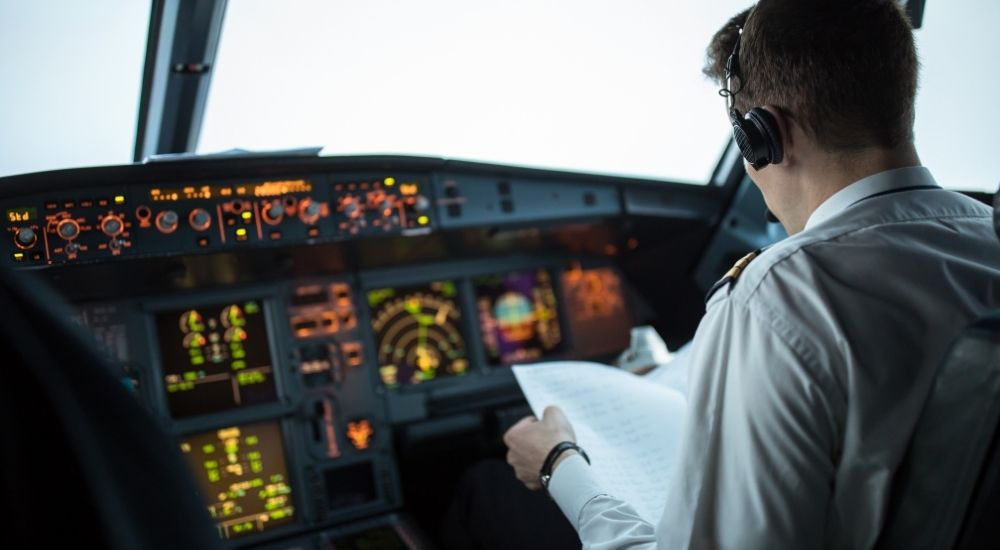
What is PPL Training? The Private Pilot License (PPL) is a fundamental certification that enables individuals to fly aircraft for personal use and recreation, without receiving payment. PPL training is the first step for many aspiring pilots and provides the essential skills needed for safe and enjoyable flying. This article outlines what PPL training involves, its requirements, and the opportunities it opens up. Overview of PPL Training PPL training is designed to equip beginners with the skills needed to operate light aircraft safely. With a PPL, pilots can fly privately with passengers or solo but are not permitted to charge for their services. The PPL is recognized internationally and provides a solid foundation for those who may wish to pursue advanced licenses, such as a Commercial Pilot License (CPL). Requirements for Starting PPL Training Before starting PPL training, candidates must meet several basic requirements: Ground School Training PPL training includes both theoretical and practical components. The ground school covers essential knowledge for safe flying: After completing ground school, candidates must pass a written exam that covers all these subjects, which confirms their theoretical knowledge of aviation. Flight Training Flight training is the hands-on component of the PPL program and typically includes: A minimum of 40 flight hours is generally required for the PPL, which includes both dual (instructor-led) and solo flight time. This experience ensures pilots have the confidence and capability to operate aircraft on their own. Final Flight Test Once the candidate has completed the necessary flight hours and passed the written exam, they must undergo a practical flight test, known as a checkride. This test is conducted by a licensed examiner who assesses the candidate’s ability to: Passing this test is the final step in earning the PPL. Opportunities with a PPL A PPL allows pilots to fly for personal pleasure and recreational purposes, with the ability to take passengers. Additional endorsements and ratings can be pursued, such as a night rating or instrument rating, allowing for more versatility in flying conditions. For those interested in a career in aviation, a PPL provides the foundational experience needed to pursue advanced licenses, such as the CPL or the Airline Transport Pilot License (ATPL).
What is ATPL Training?
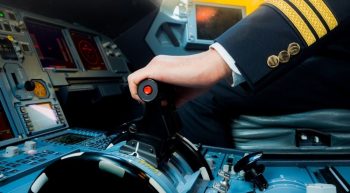
What is ATPL Training? The Airline Transport Pilot License (ATPL) is the highest level of pilot certification and is essential for anyone who wants to become an airline captain or first officer. This article provides an overview of ATPL training, its components, and the requirements for achieving this certification. Overview of ATPL Training The ATPL is considered the pinnacle of pilot certifications and is recognized worldwide as the qualification required to operate as a commander on multi-crew aircraft. ATPL training involves extensive theoretical and practical training that prepares pilots to operate complex commercial aircraft safely and efficiently. Requirements for Starting ATPL Training Before starting ATPL training, candidates must meet several prerequisites: Theoretical Training for ATPL ATPL theoretical training is extensive and covers multiple areas critical to airline operations: Candidates must pass several challenging written exams that cover each of these topics in depth. Flight Training for ATPL The practical component of ATPL training includes advanced flying skills and extensive cockpit experience: Career Opportunities with an ATPL Earning an ATPL opens up various career opportunities in commercial aviation: Corporate and Cargo Pilots: Many corporate and cargo operators require pilots to have an ATPL, especially for multi-crew and long-haul flights. Airline Captain: The ATPL is a requirement for becoming a captain in commercial airlines, allowing pilots to take on command responsibilities. First Officer and Co-Pilot Roles: Many airlines require ATPL training for first officers, ensuring they have advanced skills and knowledge for assisting captains.
Flight Training Simulators

Flight Training Simulators Flight training simulators are essential tools in modern aviation education, offering realistic, controlled environments for pilots to practice critical skills. These simulators replicate various flight conditions, allowing pilots to experience situations they may face in real-world operations without the risks or costs associated with actual flights. This article explores the types of flight simulators, their benefits, and their role in pilot training. What are Flight Training Simulators? Flight training simulators are advanced computer-based systems that mimic the operations and environment of actual aircraft. Using high-resolution visuals, realistic cockpit replicas, and precise motion cues, simulators recreate the experience of flying for trainees. These simulators are used for everything from basic training for new pilots to advanced emergency response training for experienced professionals. Types of Flight Simulators There are various types of flight simulators, each designed for different training needs and experience levels: Benefits of Flight Simulators in Training Flight simulators provide numerous advantages in the pilot training process: Applications of Flight Simulators in Pilot Training Simulators are used across multiple phases of pilot training, from entry-level programs to advanced recurrent training for licensed pilots. Key applications include: Technology and Advancements in Simulation Advancements in technology have continuously improved the realism and effectiveness of flight simulators: Regulatory Standards for Flight Simulators To ensure effective training, aviation authorities have established strict standards for flight simulators. Organizations such as the Federal Aviation Administration (FAA) and the European Union Aviation Safety Agency (EASA) categorize simulators based on their capabilities. For example: Only simulators that meet these standards can be used for official flight hours in professional training programs, ensuring that simulator training is highly realistic and transferrable to real-world flying. The Role of Simulators in Modern Aviation As aviation continues to grow and evolve, the role of flight simulators will only become more significant. With the demand for pilots rising globally, simulators help meet training needs efficiently and sustainably. Additionally, simulators support the continuous education of experienced pilots, enabling them to refine their skills without the cost or environmental impact of additional flights.
Advantages of Being a Pilot
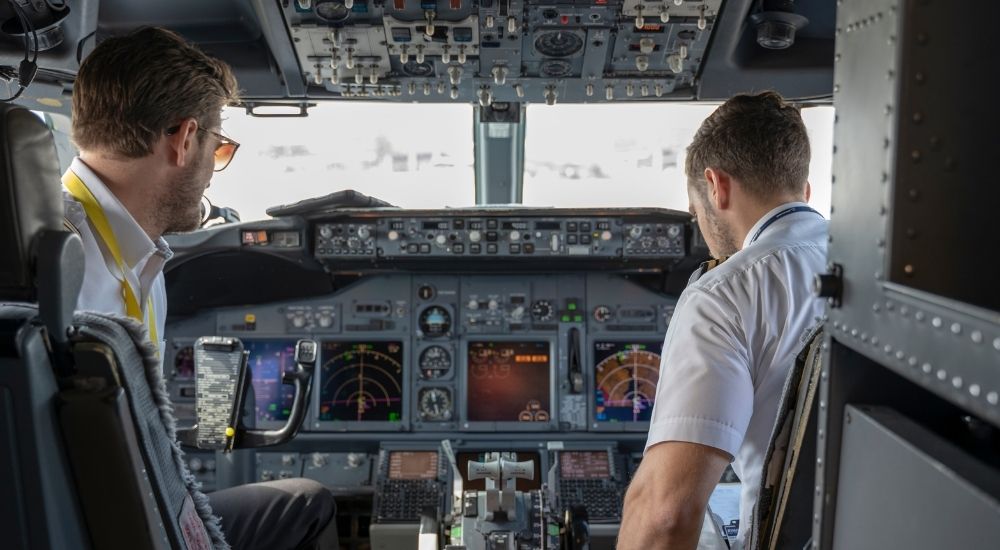
Advantages of Being a Pilot Becoming a pilot is a prestigious and thrilling career path, appealing to many for its unique lifestyle and professional rewards. From the freedom of flying to lucrative salaries, the role of a pilot offers numerous advantages. Here are some of the primary benefits of being a pilot: High Income and Benefits Pilots typically receive competitive salaries along with extensive benefits. Depending on experience and flight hours, commercial pilots can earn substantial salaries. Additionally, many airlines offer health insurance, retirement plans, and paid accommodations, ensuring financial stability throughout a pilot’s career. Opportunity to Travel the World One of the most attractive perks of being a pilot is the ability to visit multiple countries and cities. Many pilots get the chance to explore different destinations, experience diverse cultures, and have unforgettable travel experiences as part of their job. Often, layovers allow pilots to spend a few days in various places, making the job perfect for those with a passion for travel. Prestige and Respect Pilots hold a highly respected position in society. Responsible for the safety of their passengers, they are viewed as trustworthy, skilled, and disciplined professionals. The importance and responsibility associated with the role earn pilots significant respect and a prestigious reputation. Sense of Freedom and Love for the Skies Flying provides a unique sense of freedom that few other jobs can offer. Pilots get to experience breathtaking views, witness sunrises and sunsets from above, and navigate the open skies. This privilege is a significant draw for those who appreciate the thrill and serenity that comes with flying. Flexible Work Schedules Unlike many traditional careers, pilots often have flexible schedules. After completing a series of flights, they typically receive several consecutive days off, allowing for a healthy work-life balance. This flexibility is a significant advantage for spending time with family or engaging in personal interests. Career Advancement and Specialization Opportunities In aviation, there is ample room for career progression. As pilots gain experience, they can advance to captain positions or pursue roles in training new pilots. Additionally, they have the option to specialize in different aircraft or transition from commercial flying to private jet piloting, offering variety and growth within the profession. Continuous Learning and Skill Development Pilots are required to stay up-to-date with the latest aviation technology, safety regulations, and industry practices. The need for continuous training and simulations ensures that pilots are always learning and enhancing their skills. This aspect of the profession keeps it intellectually stimulating and promotes professional growth. Building Connections with People Pilots work closely with crew members and passengers, fostering strong connections and a sense of teamwork. The job also provides pilots with opportunities to meet new people from around the world, building networks and forming friendships across the globe. Enhanced Sense of Responsibility With the responsibility of ensuring passenger safety, pilots develop a strong sense of responsibility. This not only boosts their confidence but also positively impacts their personal lives. The trust and discipline required in the role build qualities that pilots carry with them beyond the cockpit.